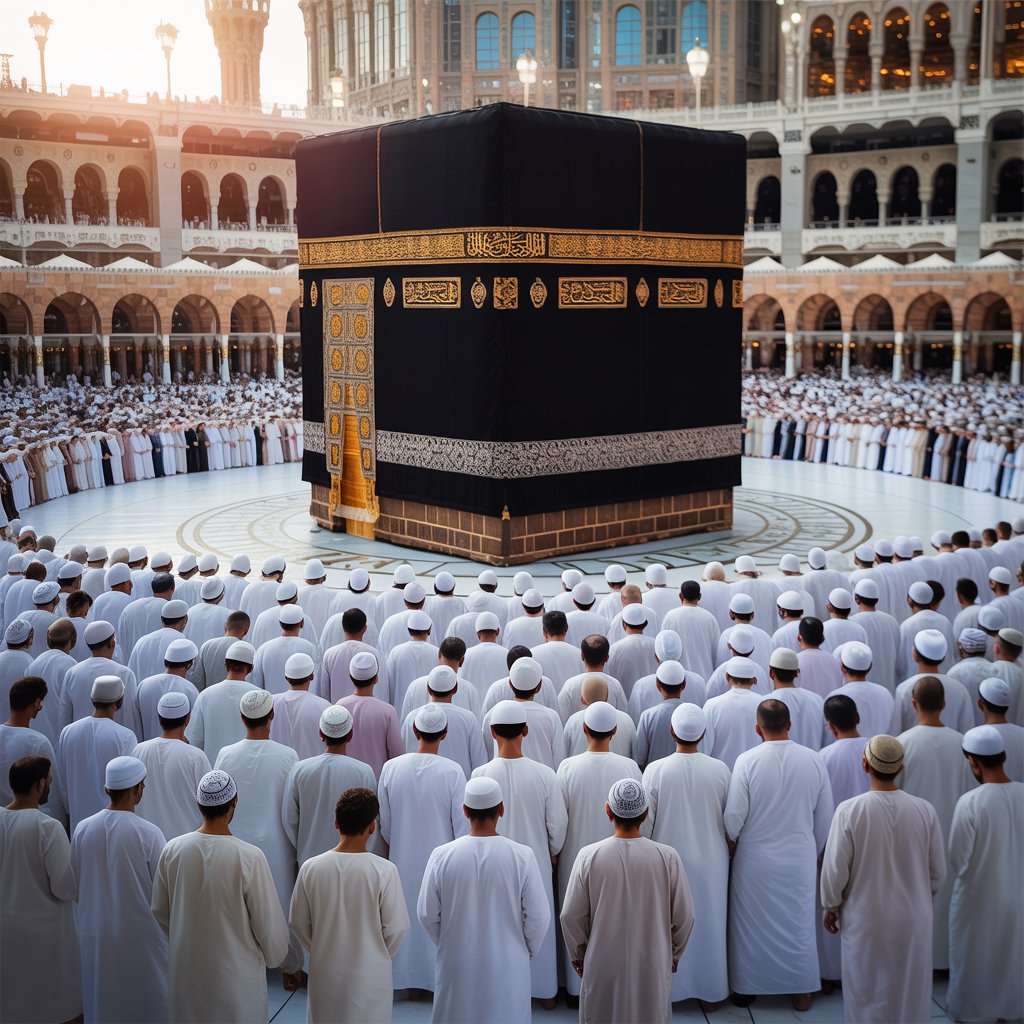
Welcome to WordPress. This is your first post. Edit or delete it, then start writing!
Author: ahmadmajeed.zone@gmail.com
-
Hajj 2025

1.1. What is Hajj, and all basic information to perform Hajj
Hajj is one of the Five Pillars of Islam, a compulsory worship for Muslims who are physically and financially able to perform it at least once in their lifetime. This holy journey to Makkah, Saudi Arabia, is a big deal; it symbolizes unity, equality, and submission to Allah.
1.2. Hajj 2025 dates
The dates of Hajj 2025 are expected to be from June 6 – 10, 2025. The journey will last for 4-5 days.
1.3. Changes and updates for the 2025 pilgrimage
As we approach Hajj 2025, Saudi authorities are working to improve the pilgrimage experience. These may include:
- Increased capacity at holy sites,
- Digital services for pilgrims
- Transportation systems
- Health and safety measures
- More accommodation facilities
2. Preparing for Hajj 2025
2.1. Eligibility and health requirement
To perform Hajj, you must:
- Be a Muslim
- Be of sound mind and physically able
- Have reached puberty
- Be debt-free
- Have the means to finance the journey
Health requirements:
- Get necessary vaccinations
- Consult with a doctor about your pre-existing conditions
- Prepare for the physical demands of the journey
2.2. Hajj visa and necessary documents
To get a Hajj visa, you will need:
- A valid passport with at least 6 months’ validity
- Completed visa application form
- Passport-size photographs
- Have a Hujj visa for Saudi Arabia
- Proof of return ticket
- Health certificate including meningitis vaccination
2.3. Essential packing list and travel arrangements
Things to pack:
- Ihram garments
- Comfortable walking shoes
- Medications and a first-aid kit
- Prayer mat and Quran
- Toiletries and personal hygiene items
- Light and breathable clothing
3. The Hajj Rituals
3.1. Ihram: Achieving ceremonial chastity
Before starting the Hajj, pilgrims must enter a physical and spiritual purity known as ihram. This includes:
Donning particular white clothing
Avoiding specific actions
Saying the prayer of Talbiyah
3.2. Tawaf: Walking around the Kaaba
Tawaf entails making seven counterclockwise circles around the Kaaba. By participating in a circular procession around the holy House of God, this ritual represents the unity of believers in the worship of One God.
3.3. Sa’i: Strolling from Safa to Marwa
Sa’i honors Hagar’s quest for water for her son Ismail. Within a long gallery, pilgrims run or walk seven times between the hills of Safa and Marwa.
4. Travel within Makkah and Madinah
4.1. Transport options and logistics
Transport options within Makkah and Madinah are:
Shuttle buses between holy sites
Makkah metro system
Taxi and ride-sharing
Walking (short distances)
4.2. Accommodation choices and factors to consider
Accommodation varies from a luxury hotel to basic accommodation. Consider:
Proximity to the Grand Mosque
Budget
Group size
Length of stay
4.3. Key places and landmarks
Key places to note are:
The Grand Mosque (Masjid al-Haram)
Mount Arafat
Muzdalifah
Mina
The Prophet’s Mosque in Madinah

5. Health and Safety During Performed Hajj
5.1. Emergency services and medical facilities
Saudi Arabia offers medical care in plenty during Hajj, including:
Field hospitals in holy locations
Ambulance services
Emergency clinics
5.2. Crowd control and safety measures
Authorities use:
Timed entry systems for certain rituals
Crowdflow management measures
Emergency evacuation measures
5.3. Hydration and personal hygiene
Healthy tips to be observed during Hajj:
Drink water in large quantities
Use hand sanitizers frequently
Wear a face mask in public areas
Rest when you have to
6. Spiritual Pilgrimage of Hajj
6.1. Spiritual nature of Hajj rituals
Each Hajj ritual is filled with profound spiritual significance. For example:
Tawaf illustrates believers’ surrender to Allah
Standing at Arafat represents the Day of Reckoning
Throwing stones at pillars in Mina illustrates deviation from evil allurements
6.2. Prayers and supplications during pilgrimage
The most essential prayers during Hajj are:
Talbiyah: “Labbayk Allahumma Labbayk” (Here I am, O Allah, here I am)
Dua at Arafat
Prayers at the Station of Ibrahim
6.3. Personal transformation and growth
Hajj gives a unique chance for personal growth and spiritual introspection. Pilgrims usually feel:
Renewed in their faith
Humility
Unity among fellow Muslims
Closeness to Allah

7. Post-Hajj Obligations and Meditations
7.1. Completing outstanding rituals and obligations
After the major days of Hajj, pilgrims must:
Perform the Farewell Tawaf
Pay any late fees or penalties
Give sacrificial meat to the poor (if obligated)
7.2. Maintaining the religious momentum after Hajj
To maintain the religious dividend of Hajj:
Resume normal prayers and recitation of the Quran
Patience and empathy in daily life
Stay connected with the Muslim ummah
7.3. Passing on experience and motivating others
Some of the comeback pilgrims get the following benefits:
Sharing the experience of Hajj with friends and relatives
Encouraging others to make the pilgrimage for Hajj
Applying lessons gained during Hajj in daily life
Summary
Hajj 2025 will be a transformative experience of spirituality for millions of Muslims across the world. This handbook has touched upon the essence of preparation and performing Hajj, from practicality to spirituality. Remember that Hajj is not just an outward experience, but a spiritual experience that can transform someone’s life and belief system.
Frequently Asked Questions (FAQs)
What does it cost to undertake Hajj in 2025?
The cost of Hajj varies with your nationality, accommodation type, and travel package. You would have to call the official Hajj agencies of your country to know the right prices.
Can I do the Hajj with my family members?
Yes, it can be done with family members. However, each adult individual must complete the eligibility criteria and acquire his or her own Hajj visa.
How tiring is the Hajj pilgrimage?
Hajj is a physical challenge involving extensive walking, standing for long hours, and exposure to huge crowds. It is important to prepare your body and consult a doctor if you have health problems.
What if I am not able to complete all the rituals due to health issues?
If you are unable to carry out certain rituals due to sickness, there is a possibility you can send a proxy to carry them out on your behalf or offer compensation (fidyah). Consult with an erudite scholar regarding the particular instructions.
Are there any age restrictions for undertaking the Hajj?
There is no maximum age restriction for Hajj, but pilgrims should be physically and mentally fit to carry out the rituals. Children below puberty can accompany their parents but are not required to undertake the Hajj.
Umrah Taxi Service
If you’re interested in Umrah taxi services in the future, we invite you to visit our website Home Page for reliable and affordable Umrah Taxi Service in Jeddah Airport, Makkah & Madinah:
👉 Umrah Taxi Makkah